The ways art reflects culture, the society and human experience.
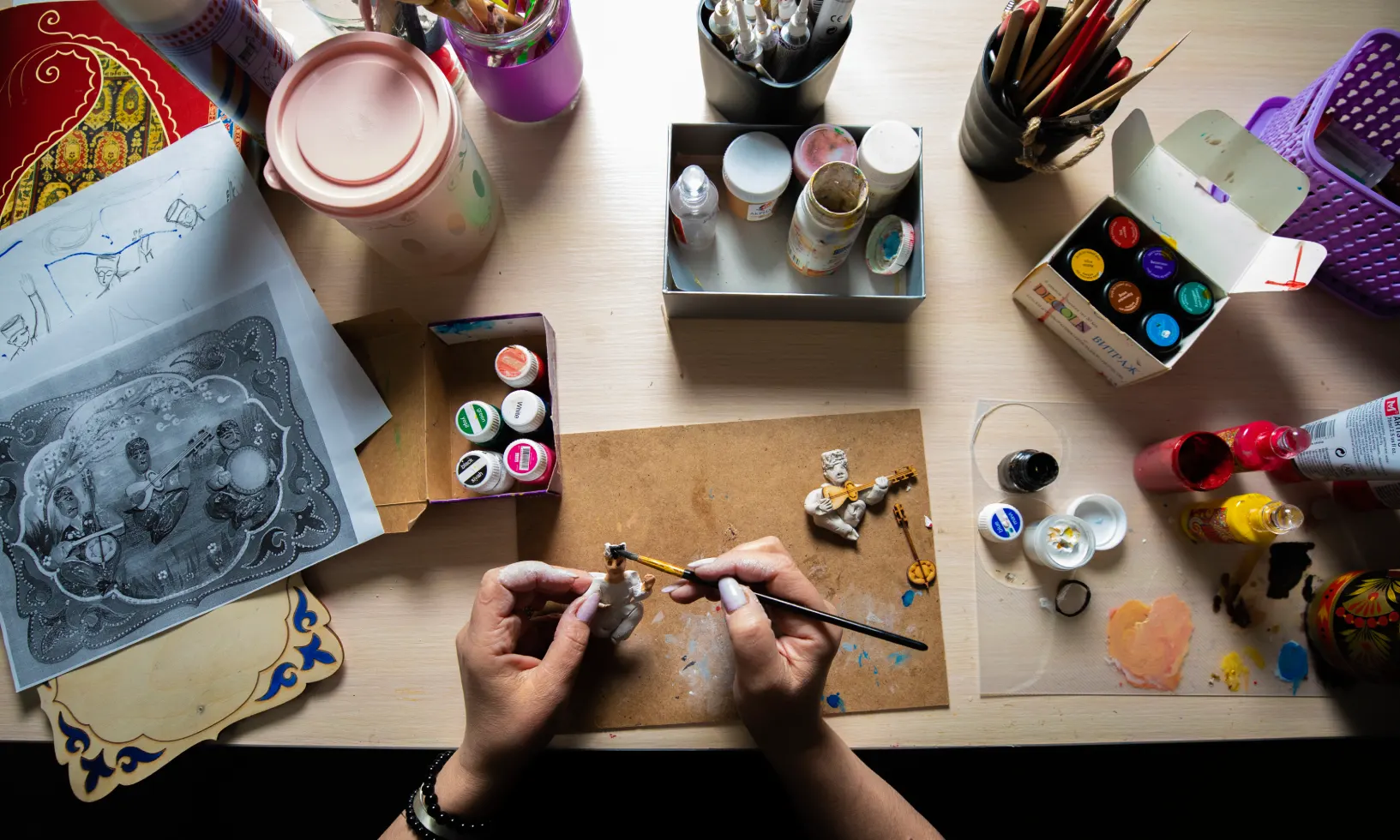
Art never existed outside of human life. Since the first scribbles on cave walls, up to the modern digital artworks, art has always been influenced by the cultural, social, political and emotional realities of the individuals that create it. Each art work, both simple and complicated has some remnants of the world within which it was created. Art is a visual documentation of the ways in which societies perceive themselves, their sense of life, and how they react to the things that surround them. Art study is thus not an act of studying images and objects, but studying humanity.
Discover premium lab diamonds Canada collections designed for beauty, value, and sustainability. Our selection of lab diamond engagement rings and lab grown diamond rings offers the same brilliance and durability as natural diamonds at a more accessible price. Explore elegant and ethical lab grown engagement rings crafted with modern styles, exceptional clarity, and timeless sparkle for your special moment.
In the expression of art, culture is a fundamental element. Cultural customs define what theme can be significant, what material is valuable and which visual style is desirable. In other cultures art focuses on narration and mythology. In others, it is concerned with symbolism of anything spiritual or with closeness to nature. These dissimilarities do not imply that any culture is more artistic than the other. Instead, they disclose the fact that art can have various functions in various cultural settings. Art is a visual language that helps communities to communicate their identity and values.
Discover premium luxury t shirts crafted from high-quality fabrics for comfort and style. Our cashmere shirts offer soft texture, elegant design, and timeless fashion for everyday luxury.
Discover stylish collections from Dolcezza, Joseph Ribkoff, and Up! Pants, offering elegant designs, artistic prints, and comfortable fits for modern women.
The systems of religious beliefs have also been one of the most influential forces on art. Pious literature, ceremonies, and transcendent philosophies infuse imagery, architectural work, sculpture, and ornament. Not only are temples, churches, mosques, and shrines functional environments but also artistic spaces created to elicit a sense of awe, reverence and transcendence. Religious art tends to attempt to depict invisible realities, that is, to bring into shape conceptions of gods, spirits, and cosmic order. The societies, through these images, are trying to know how they are related with the forces which are beyond their control.
The political systems also have distinct imprints on the art production. Art has long been used to represent power, legitimacy and authority by rulers and governments. The messages of power, security and authority are conveyed by monumental buildings, official portraits and public sculptures. Simultaneously, art has been used as a form of resistance by artists. Injustice, suffering, and dominant narratives can be criticized or further revealed through paintings, prints and performances. Art is thus a means of power and protest at the same time.
The economic conditions define who is allowed to make art and the type of art that is created. In the patronage societies, works of art are commissioned by the rich individuals or organizations. This mostly affects subject matter and style. Artists in other contexts can work on their own, reacting either to personal experiences or to other social issues. Technological and production shift changes also have an impact on the possibilities of art. Artistic creativity and dissemination has increased due to the invention of printing, photography and digitizing time.
Art is a mirror of the ordinary life as great historical events. Family, work, feast and rest scenes are those that are common in all the art history. These pictures are useful as they give us an insight into the way people used to live, dress and work and socialize among themselves. These pieces of art preserve features of normal lives that otherwise will be forgotten. They make us remember that it is not just history which is made by kings and wars, but by thousands of individual lives.
Emotion is also very much related to art. Man is joyful, grieves, loves, fears, hopes and longs in all cultures and times. It is these emotions that artists translate into the visual. It may be a painting, sculpture or drawing that conveys some feelings hard to be described by words. The viewers must see their feelings in these pictures, although they belong to different cultures or even centuries ago. This emotional appeal gives the feeling of common humanity.
The tendency of the society to turn to art in cases of crisis has been observed across the history. Art turns out to be the means of processing the shared trauma and being hopeful. It enables people to recollect, to grieve and to reconstruct.The timeless existence of art in all people throughout the civilizations indicates that creativity is one of the most required necessities in a human being. People do not produce art simply as a form of decoration. They make art to define themselves and their world.
Art helps make people relate to something bigger than them. It connects the individual and the history.It fuses generations.It holds memory.It voices.It is a sensibility to what it is like to be alive.To learn how art mirrors culture, society, and human experience is to understand that art is not lost in space and is part of life.